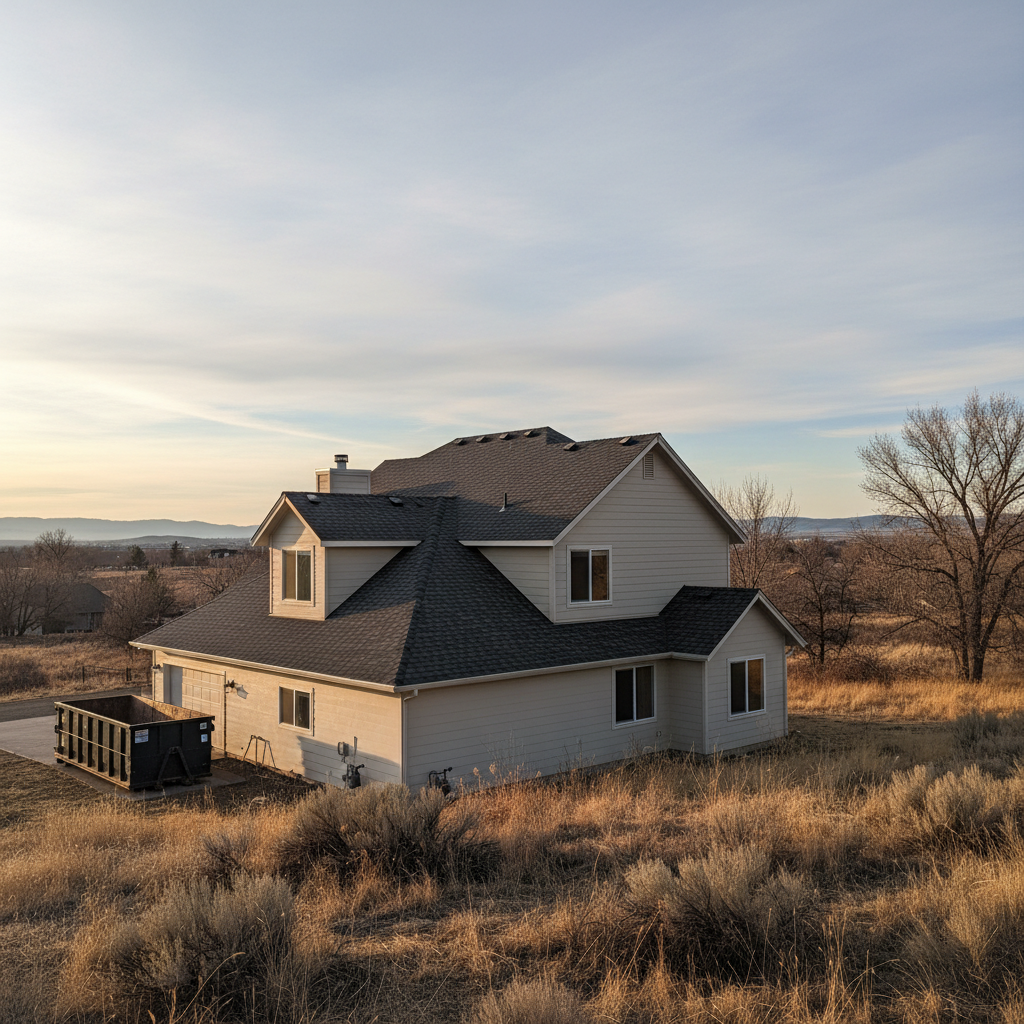
When's the best time to get a new roof here in Richland? That's a question I get asked a lot, and it's a good one. Our weather isn't like Seattle's, that's for sure. We've got our own set of challenges, and knowing them can save you a headache and make sure your new roof lasts.
Understanding Richland's Weather for Roofing
Our climate in the Tri-Cities is pretty unique. We get hot, dry summers, cold winters, and sometimes those crazy wind events that blow through. Each of these plays a role in when and how a roof can be installed properly.
You see, roofing materials, especially asphalt shingles, are sensitive to temperature. If it's too cold, they become brittle. Try to nail them down, and they might crack. Plus, the adhesive strips on the shingles need warmth to properly seal down. We call that 'thermal sealing' or 'activating.' If they don't seal, they're more prone to wind damage, and that's the last thing you want after investing in a new roof.
On the flip side, extreme heat can also be an issue. Shingles get soft, and walking on them can scuff off the granules, which are there to protect the shingle from UV rays. Plus, it's just plain brutal for the crew working up there. We're tough, but there are limits to what's safe and effective.
The Best Time to Schedule Your Roof Installation
So, when's the sweet spot? Generally, I tell folks that late spring and early fall are your best bets. Think April, May, and then September, October.
- Spring (April-May): The temperatures are usually mild, not too hot, not too cold. We get some rain, sure, but it's often predictable enough to work around. The ground isn't frozen, and the air is warm enough for shingles to seal up nicely.
- Fall (September-October): Similar to spring, the temperatures are usually ideal. The summer heat has passed, and we're not yet into the deep cold. Again, good for shingle activation and crew comfort.
Can we roof in the summer? Absolutely, we do it all the time. But we have to be smart about it. We might start earlier in the morning to beat the worst of the afternoon heat, or adjust our work schedule. The same goes for winter, though it's much tougher. If we have a stretch of dry, above-freezing days, we can get work done. But if it's consistently below 40 degrees, or snowing, it's just not ideal for quality work.
What Conditions Affect the Work?
Beyond just temperature, there are a few other things we watch out for:
- Wind: This is a big one for Richland. We get those strong gusts, especially down by the river or in some of the more open areas like Badger Mountain South. High winds make it dangerous for the crew and can blow off materials before they're secured. We'll often postpone if the winds are too high.
- Rain/Moisture: You can't install a roof on a wet deck. Period. It compromises the underlayment and can lead to issues down the road. If rain is in the forecast, we'll cover things up and wait for it to pass.
- Humidity: While less critical than temperature, very high humidity can sometimes affect how quickly sealants cure.
Protecting Your Investment Year-Round
Once your new roof is on, your job isn't quite done. You've made a big investment, and you want it to last. Here's what you can do:
- Regular Inspections: I always recommend a visual check twice a year, usually in spring and fall. Look for missing shingles, damaged flashing around vents or chimneys, or any debris. If you're not comfortable getting on the roof, give Richland Roofing Company a call, and we can do it for you.
- Keep Gutters Clean: This is huge. Clogged gutters can cause water to back up under your shingles, leading to rot and leaks. Our trees here, especially the poplars and cottonwoods, can drop a lot of leaves.
- Trim Overhanging Branches: Branches rubbing on your roof can wear down shingles. Falling branches are an obvious hazard. Keep them trimmed back.
- Watch for Moss/Algae: While not as prevalent here as on the west side, moss and algae can grow in shaded areas and retain moisture, shortening shingle life. If you see it, address it.
Getting a roof done right means working with the weather, not against it. By understanding our local climate and planning accordingly, you'll ensure your new roof protects your home for decades to come. Don't hesitate to reach out if you have questions about your specific situation.