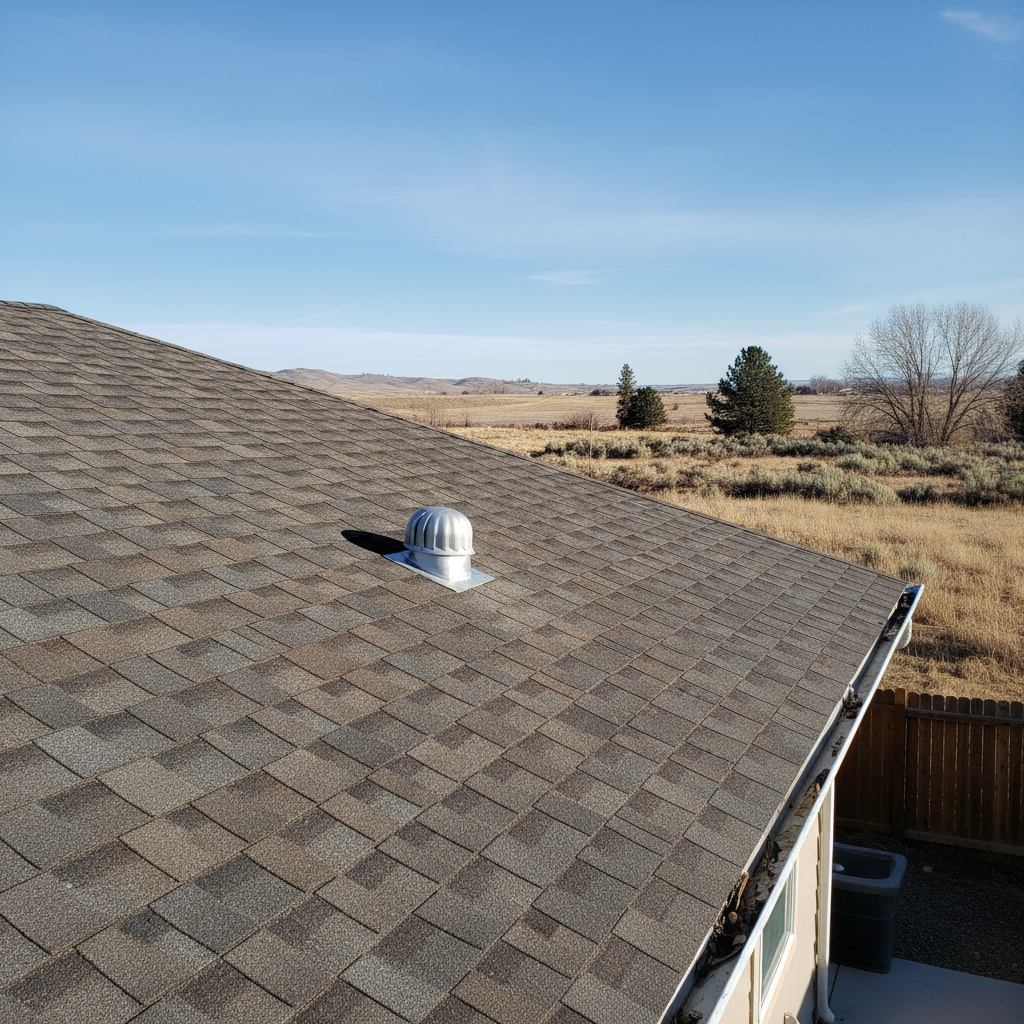
You need a roof repair, and you're probably thinking about who to call and how much it's going to cost. That's natural. But here's what I've seen over the years working on homes all over Richland, from the older South Richland neighborhoods to the newer developments up north: homeowners often stumble into a few common traps that end up costing them more time, money, and headache than necessary.
Mistake #1: Waiting Too Long or DIYing Small Issues
This is a big one. You see a shingle flapping in the wind, or a small water spot on your ceiling, and you think, "I'll get to that." Or maybe you grab a tube of caulk and try to patch it yourself. I get it, you're busy, and a small problem seems manageable. But a small leak can become a huge structural issue surprisingly fast, especially with our dry, windy summers and then the occasional heavy rain we get. That little drip can rot decking, damage insulation, and even create mold problems in your attic. A flapping shingle? It's not just cosmetic; it's an open invitation for wind and rain to get under your roof system. Don't put off what seems like a minor repair. Get it looked at by a pro before it turns into a full-blown replacement job.
Mistake #2: Focusing Only on the Lowest Bid
Everyone wants a good deal, myself included. But when it comes to your roof, the lowest bid isn't always the best deal. In fact, it's often a red flag. Think about it: if one contractor is significantly cheaper than everyone else, what corners are they cutting? Are they using cheaper materials? Are they paying their crew fair wages and carrying proper insurance? Are they even licensed? I've seen too many homeowners go with the cheapest option only to have the repair fail within a year or two, forcing them to pay *another* contractor (us, usually) to fix the original shoddy work. You're not just buying a repair; you're buying peace of mind and longevity. Ask for detailed quotes, compare materials, and check references. A reputable company like Richland Roofing Company will provide a clear, comprehensive proposal, not just a number on a napkin.
Mistake #3: Not Asking About Insurance and Licensing
This might sound basic, but you'd be shocked how many people skip this step. If a contractor or their crew gets hurt on your property and they're not properly insured, guess who's liable? You are. If they mess up your roof and aren't licensed, you have very little recourse. Always ask for proof of general liability insurance and workers' compensation insurance. And make sure they're licensed to work in Washington State. Any legitimate contractor will be happy to provide these documents. If they hem and haw, or say they'll get it to you later, that's a huge warning sign. Don't proceed without seeing that paperwork.
Mistake #4: Ignoring the Warranty
A good roof repair should come with a warranty on both materials and labor. Don't just assume it's included or that all warranties are the same. Ask specific questions: How long is the warranty? What does it cover? What voids it? Is it transferable if you sell your house? A strong warranty shows confidence in their work and materials. If a contractor offers little to no warranty, it tells you they don't stand behind their repairs, and that's a risk you shouldn't take.
Mistake #5: Not Getting Everything in Writing
Verbal agreements are worth the paper they're printed on – which is to say, nothing. Every detail of your roof repair project needs to be in a written contract. This includes the scope of work, the specific materials to be used (brand, type, color), the timeline, payment schedule, warranty details, and proof of insurance. This protects both you and the contractor. If there's a dispute down the road, that contract is your best friend. Don't let anyone start work without a signed agreement that clearly outlines everything.
Your roof protects your biggest investment, your home. Don't cut corners or make assumptions when it needs attention. Take the time to do your homework, ask the right questions, and choose a contractor you can trust. It'll save you a lot of grief in the long run.