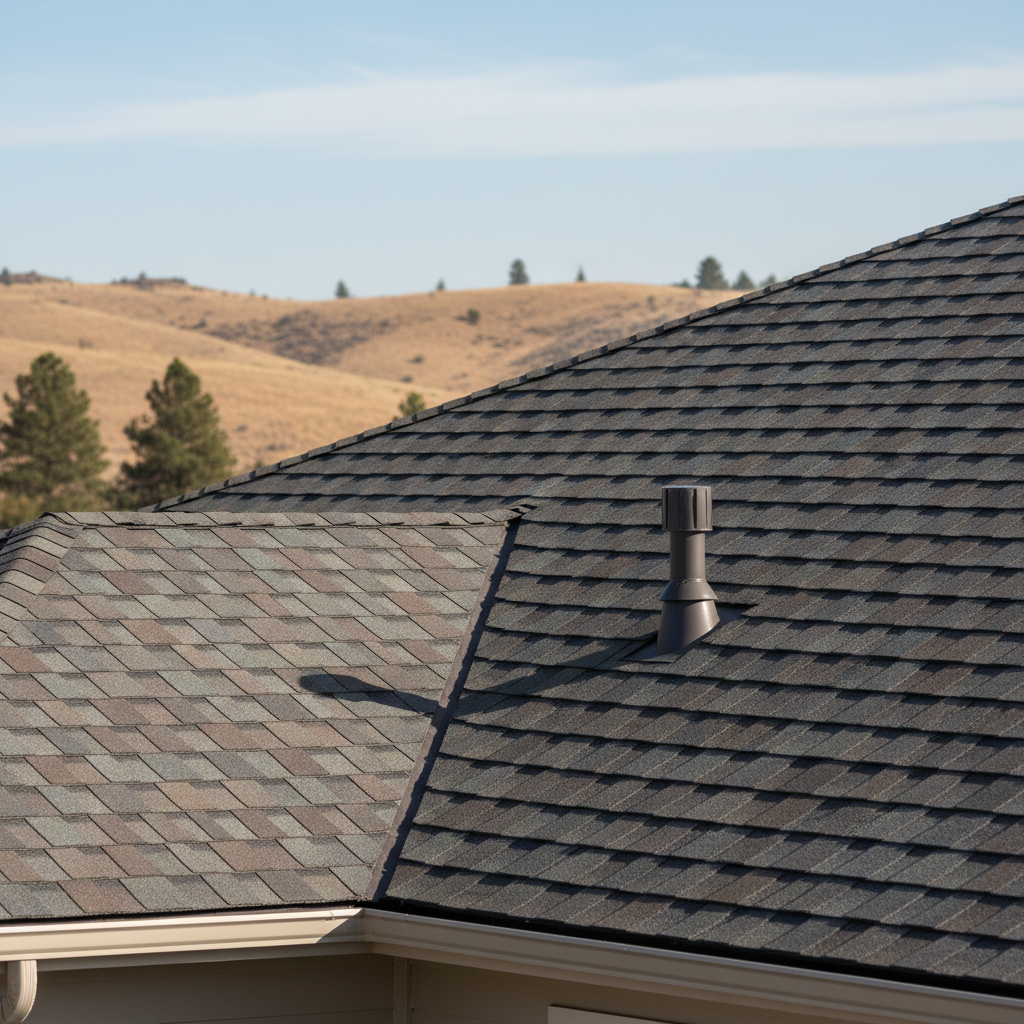
So, you're building a new home here in Richland. That's exciting! A new build means you get to make a lot of choices, and one of the most important ones, often overlooked until the last minute, is your roof. It's not just about aesthetics; it's about protecting your entire investment from our Tri-Cities weather, which can be pretty wild sometimes.
I get a lot of questions from folks building their dream homes, and honestly, it's smart to ask them early. Your roof isn't an afterthought; it's a critical system. Let's dig into some of the most common questions I hear about new construction roofing.
What's the best roofing material for a new home in Richland?
This is probably the number one question, and there's no single 'best' answer for everyone. It really depends on your budget, the style of your home, and how long you plan to stay in it. Asphalt shingles are still the most popular choice, and for good reason. They're affordable, come in a huge variety of colors and styles, and they do a solid job. Architectural shingles, specifically, offer a great balance of durability and curb appeal, often lasting 30-50 years.
Metal roofs are gaining a lot of traction, especially with modern home designs. They're incredibly durable – we're talking 50+ years – energy-efficient, and can stand up to our strong winds and occasional hail much better than shingles. The upfront cost is higher, but the lifespan and low maintenance often make it a worthwhile investment over time. Tile roofs, like concrete or clay, are beautiful and long-lasting, but they're heavy and require a stronger roof deck, which adds to the structural cost. They're not as common around here, but they definitely make a statement. For many new builds in areas like Badger Mountain, architectural asphalt shingles are a practical and attractive choice.
How does new construction roofing differ from re-roofing an existing home?
That's a great question, and there are some key differences. With new construction, we're starting with a clean slate – a brand new roof deck. This means we don't have to deal with tear-offs, old layers, or hidden damage from previous leaks. It's a much more straightforward process from a labor perspective. We're installing everything fresh: new underlayment, new flashing, new vents, and of course, the new roofing material.
For you, the homeowner, it means you have more control over the entire system. You can ensure proper ventilation is designed in from day one, choose advanced underlayments, and really pick the exact system that suits your home's design and your long-term goals. With a re-roof, we're often working within existing parameters, sometimes having to make compromises based on the original structure.
What kind of warranty should I expect on a new roof?
You'll typically get two types of warranties: a manufacturer's warranty on the materials and a contractor's warranty on the workmanship. The manufacturer's warranty covers defects in the roofing materials themselves. For asphalt shingles, these can range from 25 years to a lifetime. Metal roofs often come with 30-50 year warranties. Always read the fine print; some require specific installation methods or components to keep the warranty valid.
The workmanship warranty is from your roofing contractor, like us at Richland Roofing Company. This covers any issues that arise due to how the roof was installed. A good contractor will offer a solid workmanship warranty, usually for 5 to 10 years, sometimes even longer. This gives you peace of mind that if something goes wrong because of an installation error, they'll fix it. Make sure you get both warranties in writing before any work begins.
How important is proper ventilation for a new roof?
Extremely important! I can't stress this enough. Good attic ventilation is crucial for the longevity of your roof and the energy efficiency of your home. In the summer, it helps hot air escape, preventing heat buildup that can cook your shingles from the inside out and drive up your AC bills. In the winter, it helps prevent moisture buildup, which can lead to mold, mildew, and even rot in your roof decking or insulation.
A well-designed ventilation system includes both intake vents (typically in the soffits) and exhaust vents (ridge vents, static vents, or power vents). It creates a continuous airflow that keeps your attic at a more consistent temperature and humidity level. Don't let your builder skimp on ventilation; it's a small investment upfront that pays huge dividends down the road.
Can I choose a specific roofing contractor for my new build, or do I have to use the builder's guy?
This depends on your builder and your contract. Many production home builders have preferred subcontractors they work with to keep costs down and schedules tight. In those cases, you might have limited options for choosing your roofer, or you might have to pay an upgrade fee to use an outside contractor.
However, if you're building a custom home, or if your builder is flexible, you absolutely should have the right to choose your own roofing contractor. I always recommend getting at least two or three bids, even if your builder has a preferred company. This allows you to compare not just prices, but also materials, warranties, and the experience of the crew. A good roofer will be happy to work with your general contractor to ensure a smooth installation process.
What's the typical timeline for new roof installation during construction?
The roof typically goes on after the framing is complete, the sheathing is installed, and the windows are in. This sequence helps dry in the house, protecting the interior from weather during subsequent stages of construction. For an average-sized new home, the actual installation of the roofing materials themselves can take anywhere from a few days to a week, depending on the complexity of the roof, the type of material, and the size of the crew.
Of course, weather plays a big role here in Richland. High winds, rain, or extreme heat can cause delays. A good roofing contractor will coordinate closely with your general contractor to ensure the roof is installed efficiently and safely, without holding up other trades. We're usually one of the first trades to really seal up the structure, so getting it right and on time is crucial for the whole project's flow.
Are there any 'green' or energy-efficient roofing options for new construction?
Absolutely, and they're becoming more popular, especially with folks looking to build more sustainable homes. 'Cool roofs' are a big one. These are made from materials that reflect more sunlight and absorb less heat than traditional roofs, which can significantly reduce your home's cooling costs. This is particularly beneficial during our hot Richland summers.
Options include light-colored asphalt shingles, specific metal roofing finishes, and certain single-ply membranes if you have a low-slope section. You can also integrate solar panels directly into some roofing systems, or choose materials made from recycled content. If energy efficiency is a priority for you, talk to your roofer early in the design process. We can help you explore options that not only protect your home but also save you money on utilities and reduce your environmental footprint.
Building a new home is a big deal, and getting the roof right from the start sets you up for decades of worry-free living. Don't hesitate to ask questions and make sure you understand every aspect of your new roof. It's your home, after all.