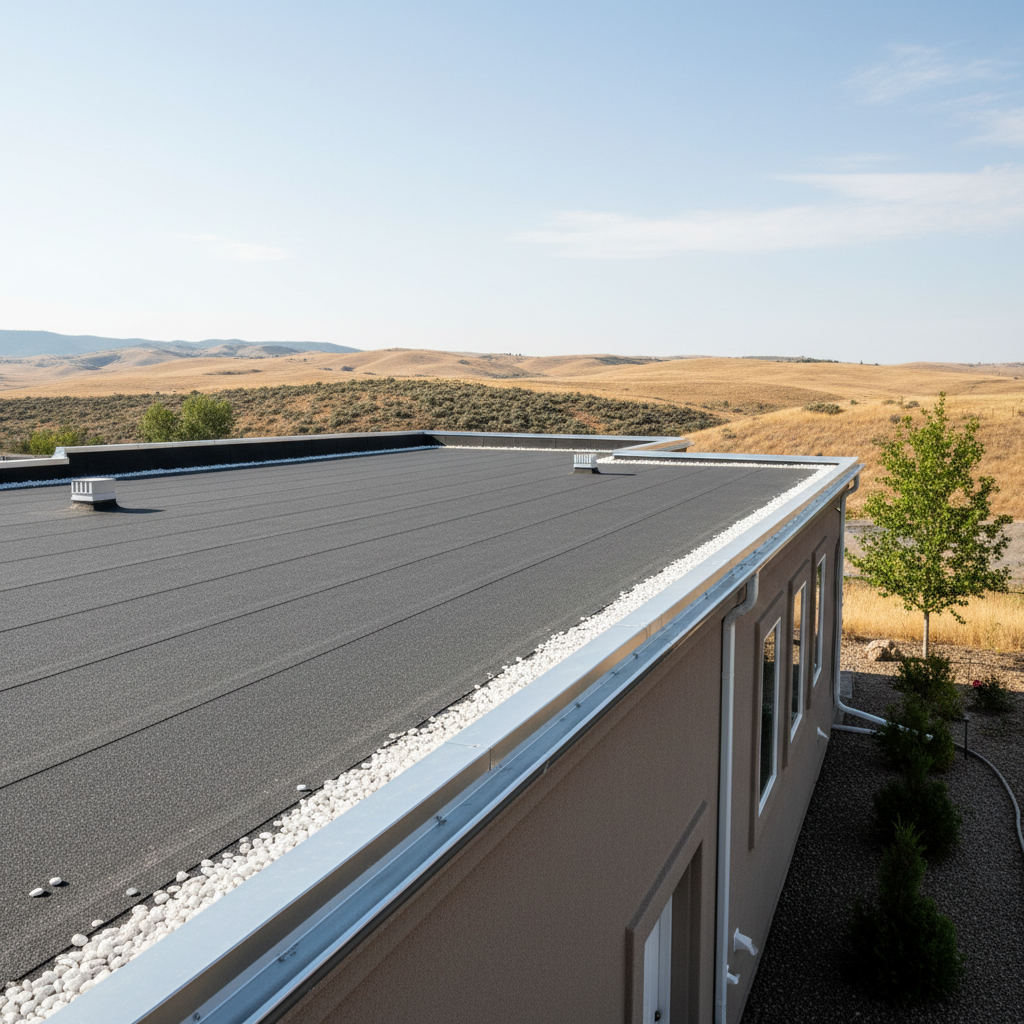
Flat roofs, sometimes called low-slope roofs, are pretty common around here, especially on commercial buildings and some of the mid-century modern homes in areas like Carmichael. They're great for maximizing space and sometimes even for rooftop decks, but they're not like your typical pitched shingle roof. They need a different kind of attention to last.
I've seen plenty of flat roofs in my time, good ones and bad ones. The good ones? They've usually had someone keeping an eye on them. The bad ones? Well, let's just say neglect is a flat roof's worst enemy.
Extending Your Flat Roof's Lifespan
You want your flat roof to last as long as possible, right? Of course, you do. The biggest thing you can do is prevent standing water. Even though flat roofs aren't perfectly flat – they have a slight slope for drainage – water can still pool up. This is a killer for flat roofing materials, whether it's TPO, EPDM, or modified bitumen. That constant moisture breaks down the membrane, weakens seams, and can lead to leaks faster than anything else.
Another big one is protecting it from physical damage. Our Richland sun can be brutal in the summer, and that UV exposure slowly degrades materials. A good reflective coating, applied correctly, can make a huge difference. It bounces the sun's rays away, keeping the roof surface cooler and slowing down that UV breakdown. Plus, it can even save you a few bucks on your AC bill.
And don't forget about foot traffic. If people are constantly walking on your flat roof for HVAC maintenance or just to check things out, they can damage the membrane. If you need regular access, consider putting down walk pads to protect the surface.
Regular Maintenance: Your Flat Roof's Best Friend
This isn't rocket science, but it's crucial. You should be inspecting your flat roof at least twice a year, ideally in the spring after winter's done its thing, and again in the fall before the cold really sets in. If we've had a particularly windy or stormy period, it's a good idea to take a look then too.
- Clear Debris: Leaves, branches, dirt – they all collect on flat roofs. This debris can block drains and scuppers, leading to standing water. It can also hold moisture against the roof surface, which is bad news. Get up there and sweep it off. Make sure your gutters and downspouts are clear too.
- Check Drains and Scuppers: These are your roof's escape routes for water. If they're clogged, water has nowhere to go. Make sure they're free of debris and functioning properly.
- Inspect for Ponding Water: After a rain, go up and see if there are any areas where water is sitting for more than 48 hours. This is a red flag. Small puddles might be okay if they dry quickly, but persistent ponding means you've got a drainage issue that needs fixing.
- Look at the Membrane: Check for cracks, blisters, punctures, or tears in the roofing material. Pay close attention to seams and flashing around vents, skylights, and parapet walls. These are often the first places problems show up.
- Trim Overhanging Branches: If you have trees near your building, make sure branches aren't scraping or dropping debris onto the roof.
Warning Signs You Can't Ignore
Sometimes problems are obvious, sometimes they're subtle. But if you see any of these, don't wait. A small issue on a flat roof can turn into a big, expensive leak really fast.
- Ponding water: Like I said, if water isn't draining, you've got a problem.
- Visible cracks, tears, or punctures: Any break in the membrane is an open invitation for water.
- Blistering or bubbling: This means moisture is trapped under the membrane, or the adhesive is failing. It's a sign of a compromised system.
- Separated seams or flashing: The edges and joints are critical. If they're pulling apart, water will find its way in.
- Water stains on interior ceilings or walls: This is the most obvious sign of a leak, and by the time you see it inside, the problem on the roof has likely been going on for a while.
- Musty odors: If you smell mildew or dampness, especially near exterior walls or ceilings, it could indicate a hidden leak.
- Increased energy bills: A compromised roof can lose its insulating properties, making your HVAC system work harder.
When to Call a Professional
Look, I'm all for homeowners and business owners being proactive. But some jobs are just not DIY. If you're seeing any of those warning signs, or if you're not comfortable getting up on your roof, it's time to call in the pros. We've got the training, the safety gear, and the right materials to diagnose and fix flat roof issues properly.
Don't try to patch a major tear yourself with some tar from the hardware store. That's a temporary fix that often makes the underlying problem worse and can void warranties. A professional inspection can identify issues you might miss and recommend the right course of action, whether it's a repair, a coating, or a full replacement.
Here at Richland Roofing Company, we deal with flat roofs all the time. We know the unique challenges our local climate throws at them – from the intense summer heat to the occasional winter snow and wind. Getting a professional eye on your roof regularly can save you a lot of grief and money down the road. It’s an investment in the longevity of your building, plain and simple.